If you’re diving into the world of finance or accounting, mastering the income statement is crucial. Whether you’re a student working on an assignment or a professional looking to polish your skills, understanding the income statement can be a game changer. This guide will walk you through everything you need to know about income statements, from basics to advanced concepts, and show you how Virtual Help can assist you with your assignments.
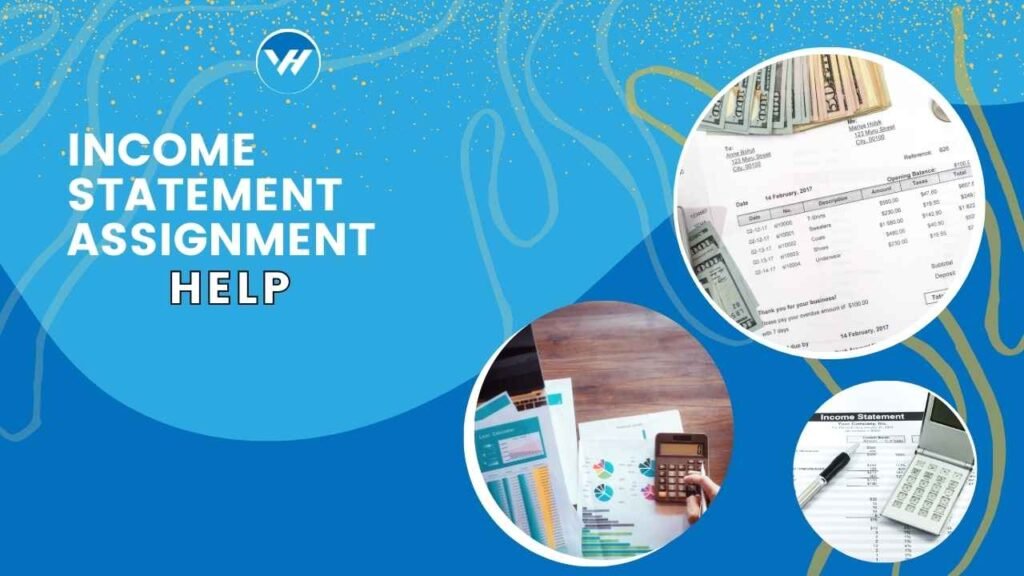
What is an Income Statement?
An income statement, sometimes called a profit and loss statement, is a financial report that outlines a company’s revenues, expenses, and profits or losses over a specific period. Think of it as a report card for a business, showing how well it performed financially during a particular timeframe.
Importance of Understanding Income Statements
Income statements are essential for several reasons. They help businesses evaluate their performance, assist investors in making informed decisions, and provide insight into a company’s financial health. For students, mastering income statements is vital for exams and real-world applications in finance and accounting.
Basics of Income Statements
Definition of Income Statement
At its core, an income statement details how much a company earned (revenue) and how much it spent (expenses), resulting in net profit or loss. It’s a snapshot of financial performance over a set period.
Key Components of an Income Statement
- Revenue: The total amount of money earned from sales or services before any costs or expenses are deducted.
- Expenses: Costs incurred to generate revenue, including operating expenses like rent and salaries, and non-operating expenses like interest.
- Net Income: The final figure, calculated by subtracting total expenses from total revenue, showing whether the company made a profit or a loss.
Structure of an Income Statement
Revenue
Revenue is the starting point of an income statement. It includes all sources of income, from sales to other types of earnings like royalties or interest. Properly categorizing and recording revenue is crucial for an accurate financial picture.
Expenses
Expenses are categorized into various types:
- Cost of Goods Sold (COGS): Direct costs related to the production of goods sold by the company.
- Operating Expenses: Costs related to running the business, like salaries, utilities, and rent.
- Non-Operating Expenses: Costs not related to the core business activities, such as interest payments or losses from investments.
Net Income
Net income, or net profit, is calculated by subtracting total expenses from total revenue. This figure tells you if the company is profitable or if it’s running at a loss. A positive net income indicates profit, while a negative figure shows a loss.
Types of Income Statements
Single-Step Income Statement
The single-step income statement is the simpler of the two formats. It combines all revenues and gains into one total and all expenses and losses into another, subtracting the total expenses from total revenues to arrive at net income.
Multi-Step Income Statement
The multi-step income statement provides a more detailed view. It separates operating revenues and expenses from non-operating items and includes multiple steps to arrive at net income, giving a clearer picture of a company’s core operational efficiency.
How to Prepare an Income Statement
Gathering Financial Data
The preparation starts with gathering all financial data. This includes sales records, expense reports, and any other relevant documents. Accurate data is crucial for a precise income statement.
Organizing Revenue and Expenses
Next, categorize all sources of revenue and expenses. This organization ensures that each item is correctly classified, which is essential for accurate reporting and analysis.
Calculating Net Income
Subtract total expenses from total revenue to determine net income. Ensure that all calculations are accurate and double-check for any errors. This step finalizes the income statement.
Common Mistakes in Preparing Income Statements
Misclassifying Revenues and Expenses
A frequent mistake is misclassifying items. For example, treating a one-time gain as operating revenue can skew results. Proper classification is critical for accurate financial reporting.
Ignoring Non-Operating Items
Non-operating items, such as interest income or expenses, should not be overlooked. They impact the overall financial performance and are necessary for a complete income statement.
Incorrect Period Matching
Matching revenues and expenses to the correct accounting period is vital. Misalignment can distort financial results and lead to incorrect conclusions about the company’s performance.
Analyzing an Income Statement
Reading the Financial Performance
Analyzing an income statement helps in understanding how well a company has performed financially. It highlights areas of strength and weakness in financial operations.
Understanding Profit Margins
Profit margins indicate how efficiently a company is managing its expenses relative to its revenue. High profit margins often reflect effective cost management and strong profitability.
Identifying Trends and Patterns
Comparing income statements over different periods can reveal trends and patterns. This analysis is crucial for understanding financial performance and planning future strategies.
Income Statement vs. Balance Sheet
Key Differences
While an income statement focuses on profitability over time, a balance sheet provides a snapshot of financial position at a specific moment. The income statement shows how much money was made or lost, whereas the balance sheet details assets, liabilities, and equity.
How They Complement Each Other
Together, these statements offer a comprehensive view of a company’s financial health. The income statement provides insights into performance, while the balance sheet reveals the company’s financial position.
Income Statement for Different Business Types
Small Businesses
For small businesses, income statements are vital for tracking performance and managing resources. They help in budgeting and financial planning.
Corporations
Larger corporations use income statements for detailed financial analysis, reporting to investors, and strategic decision-making. The multi-step format is often preferred for its depth.
Non-Profit Organizations
Non-profits use income statements to monitor funding and manage expenses, ensuring financial sustainability and effective use of resources.
Using Software for Income Statement Preparation
Benefits of Accounting Software
Accounting software simplifies the preparation of income statements. It ensures accuracy, reduces manual errors, and saves time. Features like automated calculations and report generation make it easier to maintain financial records.
Popular Software Options
Popular accounting software options include:
- QuickBooks: Known for its user-friendly interface and comprehensive features.
- Xero: Offers cloud-based accounting solutions with strong reporting tools.
- FreshBooks: Ideal for small businesses with invoicing and expense tracking features.
Virtual Help: Your Go-To for Income Statement Assistance
Overview of Virtual Help Services
Virtual Help is a platform designed to connect students with expert tutors and assignment help. Available on iOS and Android, it offers a range of academic support services.
How Virtual Help Can Aid in Income Statement Assignments
Virtual Help provides access to experienced tutors who can guide you through complex income statement assignments. Whether you need help understanding concepts or preparing financial reports, Virtual Help offers personalized support to ensure you succeed.
Tips for Excelling in Income Statement Assignments
Understanding the Requirements
Carefully review your assignment guidelines to ensure you understand what’s expected. This includes knowing the format, required components, and any specific instructions.
Practicing with Real Data
Use real or simulated financial data to practice preparing income statements. This hands-on experience is invaluable for grasping the nuances of financial reporting.
Seeking Feedback
Seek feedback from tutors, peers, or mentors. Constructive criticism can help you identify areas for improvement and enhance your understanding of income statements.
Real-Life Applications of Income Statements
Business Decision Making
Businesses rely on income statements to make strategic decisions about budgeting, investments, and operations. They help in assessing financial performance and planning for future growth.
Investment Analysis
Investors use income statements to evaluate a company’s profitability and potential for growth. This analysis is crucial for making informed investment decisions.
Financial Planning
Income statements play a key role in financial planning, helping businesses set goals, forecast performance, and manage resources effectively.
Conclusion
Understanding and preparing income statements is a fundamental skill in finance and accounting. Whether you’re tackling an assignment or applying these skills in the real world, a solid grasp of income statements is essential for financial success. Remember, practice and proper guidance are key. Platforms like Virtual Help can provide the support you need to excel in your income statement assignments.
FAQs
- What is the primary purpose of an income statement?
- The primary purpose of an income statement is to provide a detailed account of a company’s revenues, expenses, and profits or losses over a specific period, helping assess financial performance.
- How often should a business prepare an income statement?
- Businesses should prepare income statements quarterly and annually to monitor performance, make informed decisions, and meet reporting requirements.
- Can an income statement show both profit and loss?
- Yes, an income statement can show either a profit (net income) or a loss (net loss), depending on whether total revenues exceed total expenses or vice versa.
- What are common challenges students face with income statement assignments?
- Common challenges include misclassifying items, incorrect period matching, and misunderstanding the structure and components of an income statement.
- How can Virtual Help improve my understanding of income statements?
- Virtual Help connects you with experienced tutors who offer personalized guidance and support, helping you understand income statement concepts and excel in your assignments.