So, you’ve embarked on the thrilling yet daunting journey of writing an engineering thesis. Whether you’re feeling pumped or overwhelmed, you’re in the right place. This guide will walk you through everything you need to know about engineering thesis assistance. Ready to dive in? Let’s get started!
An engineering thesis is a substantial piece of academic writing based on your original research. It’s a chance for you to explore a topic in-depth, contribute to your field, and showcase your skills and knowledge.
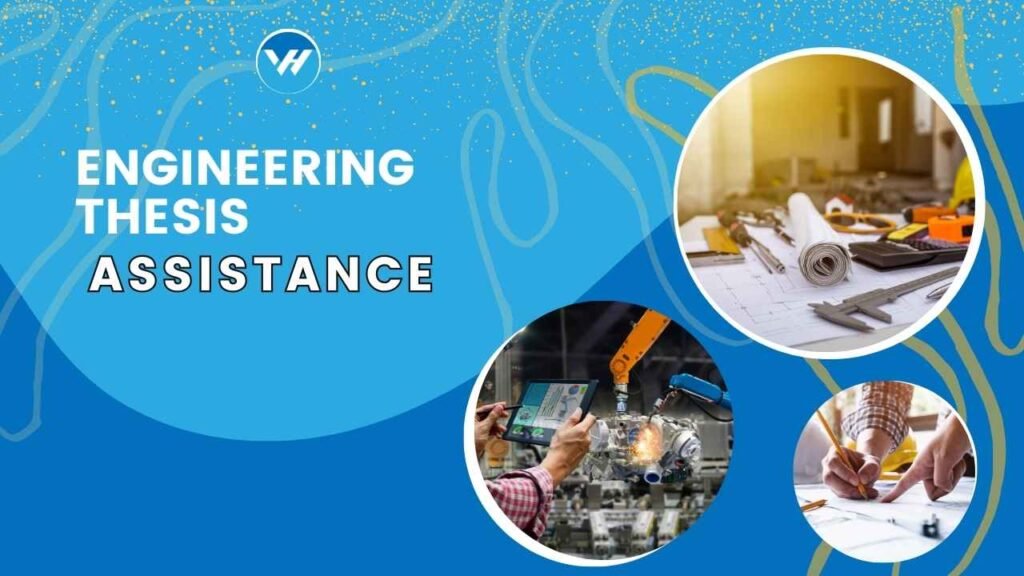
Your engineering thesis is not just another assignment. It’s a critical part of your degree that demonstrates your ability to conduct research, solve problems, and communicate your findings. Plus, it’s a great way to make a mark in your academic and professional journey.
Understanding the Engineering Thesis Process
Choosing the Right Topic
Choosing the right topic is like setting the foundation for a skyscraper. It needs to be solid, interesting, and manageable. Think about what excites you, the current trends in your field, and the feasibility of researching it within your timeframe.
Conducting Preliminary Research
Before diving deep, dip your toes in the water. Conduct preliminary research to see what’s already out there. This will help you refine your topic and understand the scope of existing studies.
Developing a Thesis Proposal
Your thesis proposal is like a blueprint. It outlines what you plan to study, why it’s important, and how you intend to conduct your research. A well-crafted proposal sets the stage for a successful thesis.
Finding Reliable Resources
Academic Journals and Books
Start with academic journals and books. They are gold mines of reliable information. Look for recent publications to ensure you’re building on the latest research.
Online Databases
Online databases like IEEE Xplore, ScienceDirect, and Google Scholar are your best friends. They provide access to a plethora of peer-reviewed articles and papers.
University Libraries
Don’t overlook your university library. It’s packed with resources, and librarians can be incredibly helpful in guiding you to the right materials.
Planning and Organization
Creating a Timeline
A timeline is your roadmap. Break down the process into manageable chunks and set deadlines for each stage. This keeps you on track and prevents last-minute panic.
Outlining Your Thesis
An outline helps you organize your thoughts and structure your thesis logically. It’s a skeleton that supports the flesh of your research and writing.
Setting Milestones
Setting milestones gives you something to aim for and celebrate. They keep you motivated and provide a sense of accomplishment as you progress.
Conducting Research
Primary vs. Secondary Research
Primary research involves collecting new data, while secondary research relies on existing data. Both are valuable, and the choice depends on your topic and objectives.
Data Collection Methods
Choose data collection methods that best suit your research question. Surveys, experiments, simulations, and case studies are common methods in engineering research.
Ensuring Credibility and Validity
Credibility and validity are crucial. Ensure your data is reliable, and your methods are sound. This builds trust in your findings and strengthens your thesis.
Writing the Engineering Thesis
Introduction
Your introduction sets the stage. Introduce your topic, state your research question, and outline the structure of your thesis.
Literature Review
The literature review shows you know your stuff. Summarize and critically evaluate existing research related to your topic.
Methodology
Explain how you conducted your research. Detail your methods, materials, and procedures so others can replicate your study if needed.
Results
Present your findings clearly and concisely. Use tables, graphs, and figures to illustrate your data.
Discussion
Interpret your results in the discussion section. Explain what they mean, how they relate to your research question, and their implications.
Conclusion
Wrap up your thesis with a strong conclusion. Summarize your key findings, discuss their significance, and suggest areas for future research.
Editing and Proofreading
Importance of Revising Your Work
Editing and proofreading are non-negotiable. Revising your work ensures clarity, coherence, and correctness.
Common Mistakes to Avoid
Watch out for common mistakes like grammar errors, awkward phrasing, and inconsistency. These can undermine the quality of your thesis.
Tools for Grammar and Spell Check
Tools like Grammarly, Hemingway, and Microsoft Word’s built-in checker can catch errors and improve your writing.
Seeking Feedback
Peer Review
Peer review provides fresh perspectives. Your peers can spot issues you might have missed and offer constructive criticism.
Advisor’s Input
Your advisor is your guide. Their feedback is invaluable, so don’t hesitate to seek their input throughout the process.
Professional Editing Services
If needed, consider professional editing services. They can polish your thesis to perfection, ensuring it’s ready for submission.
Presentation and Defense Preparation
Preparing Your Presentation
A strong presentation complements your thesis. Prepare slides that highlight your key points and practice your delivery.
Anticipating Questions
Think about potential questions and prepare answers. This shows you’re confident and well-prepared.
Practicing Your Defense
Practice makes perfect. Rehearse your defense with friends or in front of a mirror to build confidence.
Utilizing Online Platforms for Assistance
Benefits of Online Tutoring
Online tutoring offers flexibility and personalized help. Tutors can guide you through difficult concepts and provide targeted support.
Finding Expert Tutors
Platforms like Virtual Help connect you with expert tutors. You can find someone who specializes in your field and get the help you need.
Getting Assignment Help
Stuck on an assignment? Online platforms offer assignment help services to guide you through tricky problems and ensure you stay on track.
Virtual Help: Your Go-To Platform
Overview of Virtual Help
Virtual Help is an online platform designed to support students. Whether you need tutoring, assignment help, or thesis assistance, Virtual Help has got you covered.
Features of Virtual Help App
The Virtual Help app, available on iOS and Android, offers a user-friendly interface, a wide range of tutors, and 24/7 support.
How to Get Started
Getting started with Virtual Help is easy. Download the app, create an account, and start exploring the resources and services available.
Tips for Success
Staying Organized
Organization is key. Keep your materials in order, stick to your timeline, and use tools like calendars and to-do lists.
Managing Stress
Writing a thesis can be stressful. Take breaks, practice mindfulness, and don’t hesitate to seek support if you need it.
Maintaining Motivation
Stay motivated by setting small goals, rewarding yourself, and reminding yourself of the end goal.
Common Challenges and Solutions
Time Management
Struggling with time management? Break tasks into smaller steps, use productivity tools, and avoid procrastination.
Writer’s Block
Hit a wall? Take a break, change your environment, or discuss your ideas with someone to get the creative juices flowing again.
Research Difficulties
Having trouble with research? Reach out to your advisor, use online resources, or consider professional help to overcome obstacles.
Conclusion
Writing an engineering thesis is no small feat, but with the right approach and resources, you can do it. Remember, it’s a journey of learning and growth. Stay focused, seek help when needed, and celebrate your achievements along the way.
FAQs
How do I choose a good thesis topic?
Start with what interests you. Look at current trends in your field and consult with your advisor to refine your ideas.
What if I can’t find enough resources?
Use multiple sources like academic journals, online databases, and your university library. If you’re still struggling, consider adjusting your topic slightly.
How do I stay motivated throughout the process?
Set small, achievable goals, take regular breaks, and reward yourself for milestones. Keeping the end goal in mind also helps maintain motivation.
What should I do if I face writer’s block?
Take a break, change your environment, or discuss your ideas with someone. Sometimes stepping away for a bit can help clear your mind.
Can Virtual Help really improve my thesis?
Absolutely! Virtual Help connects you with expert tutors and provides resources to guide you through every step of your thesis.