Improving your reading comprehension can feel like unlocking a superpower. Imagine breezing through textbooks, absorbing information effortlessly, and actually enjoying the process! Sounds great, right? Whether you’re a student aiming for academic success or just someone who loves to read, here are ten tips to help you boost your reading comprehension skills.
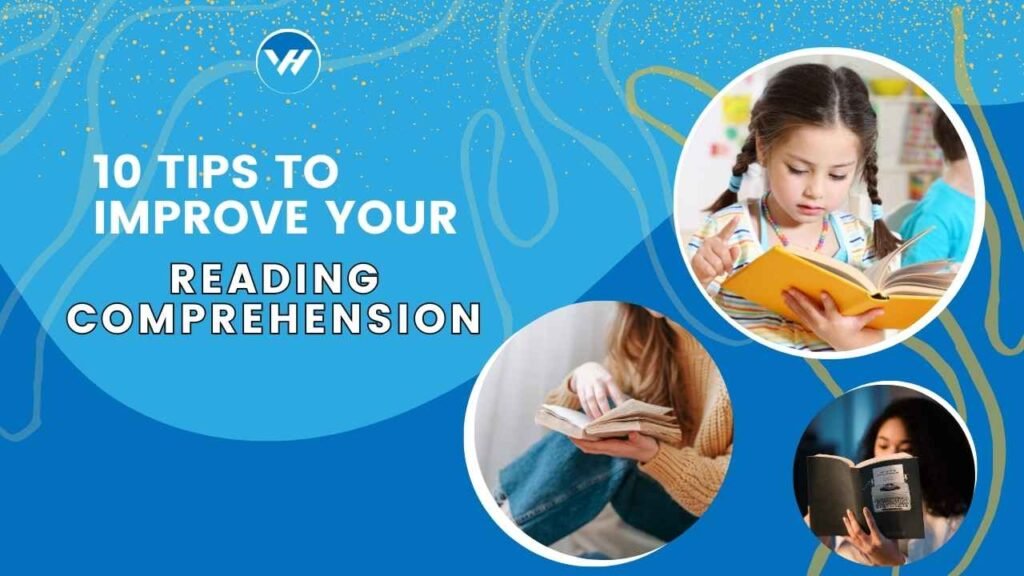
Tip 1: Preview the Text
Before diving into a book or an article, take a moment to preview the text. Skim through headings, subheadings, and any highlighted or bolded terms. This will give you a roadmap of what to expect and help you understand the structure of the content.
Tip 2: Set a Purpose for Reading
Why are you reading this material? Is it for an assignment, to gain knowledge on a subject, or simply for pleasure? Setting a clear purpose will help you stay focused and retain key information relevant to your objectives.
Tip 3: Take Notes While Reading
Active reading involves taking notes. Highlight important points, jot down questions, and summarize sections in your own words. This not only keeps you engaged but also aids in retaining information.
Tip 4: Improve Your Vocabulary
A strong vocabulary is essential for reading comprehension. Whenever you encounter new words, take the time to look them up and understand their meanings. Use context clues to decipher unfamiliar terms and incorporate them into your daily vocabulary.
Tip 5: Ask Questions
Engage with the text by asking questions. Why did the author write this? What is the main idea? How does this relate to what I already know? Questioning the material helps deepen your understanding and makes reading an interactive process.
Tip 6: Visualize the Content
Try to create mental images of what you’re reading. Visualizing the content can significantly improve your memory retention. Imagine scenes, characters, and events as if you were watching a movie in your mind.
Tip 7: Read Regularly
Like any skill, reading comprehension improves with practice. Establish a regular reading routine and diversify your reading materials. Read books, articles, and journals on various topics to broaden your understanding and keep things interesting.
Tip 8: Practice Active Reading
Active reading means being fully engaged with the text. Don’t just passively read the words; reflect on them, make connections with what you already know, and consider how the new information fits into your knowledge base.
Tip 9: Discuss What You Read
Talking about what you’ve read with others can reinforce your understanding. Join book clubs, participate in discussion groups, or simply chat with friends about the material. Sharing insights and hearing different perspectives can enhance your comprehension.
Tip 10: Review and Reflect
After finishing a reading session, take some time to review and reflect. Go over your notes, summarize the main points, and evaluate your understanding. This helps consolidate what you’ve learned and identifies areas where you might need further clarification.
Using Virtual Help for Reading Comprehension
Need a little extra help? Virtual Help can be your go-to resource. With the Virtual Help app, you can access tutors and resources tailored to your needs. Whether you need assistance with specific texts or general reading strategies, Virtual Help offers personalized support to enhance your reading comprehension skills.
Common Challenges in Reading Comprehension
Struggling with dense academic texts or complex literature? You’re not alone. Common challenges include understanding complex vocabulary, following intricate plots, and retaining detailed information. Strategies like breaking down the text, summarizing sections, and seeking help from tutors can be incredibly beneficial.
Tools and Resources to Aid Reading Comprehension
There are numerous tools and resources available to support your reading journey. Apps like Goodreads can help track your reading and provide recommendations. Online courses and tutorials can offer structured learning paths, and software tools can assist with note-taking and summarizing.
Conclusion
Improving your reading comprehension is a journey, not a destination. By incorporating these tips into your reading routine, you can enhance your skills and enjoy the process more. Remember, practice makes perfect, and with tools like Virtual Help, you have all the support you need to succeed.
FAQs
How can I improve my reading speed?
Improving reading speed involves regular practice, minimizing subvocalization, and using techniques like chunking to read groups of words together.
What are some good books to enhance comprehension?
Books that challenge your thinking and present complex ideas, such as classics, non-fiction, and academic texts, are great for enhancing comprehension.
How do I stay motivated to read regularly?
Set specific goals, choose materials that interest you, and create a reading schedule. Joining a book club or discussion group can also keep you motivated.
Can reading fiction improve comprehension skills?
Absolutely! Fiction enhances your ability to understand complex narratives, recognize themes, and develop empathy, all of which are crucial for comprehension.
How can Virtual Help assist me in improving my reading comprehension?
Virtual Help provides access to expert tutors who can offer personalized guidance, help you develop effective reading strategies, and assist with challenging texts.