Electrical machines play a pivotal role in the field of electrical engineering. They are integral to many systems we rely on daily, from household appliances to large industrial equipment. But tackling assignments on electrical machines can be a daunting task. Whether you’re struggling with complex calculations or trying to grasp theoretical concepts, you’re not alone. In this article, we’ll delve into the challenges of electrical machines assignments and explore how Virtual Help can make this process easier for you.
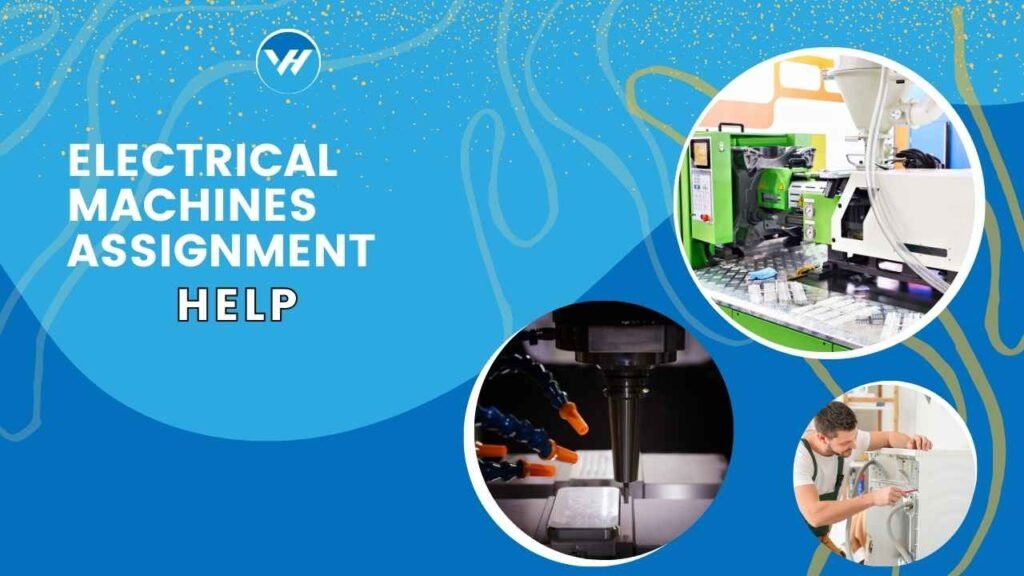
Common Challenges in Electrical Machines Assignments
Complex Calculations
Electrical machines assignments often involve intricate calculations. From determining the efficiency of a machine to analyzing power factors, the math involved can be overwhelming. Getting these calculations right is crucial, as even a small error can lead to incorrect conclusions.
Theoretical Concepts
The theories underlying electrical machines can be difficult to grasp. Understanding concepts such as electromagnetic induction and the behavior of magnetic fields requires a solid foundation in electrical engineering principles.
Practical Applications
Applying theory to practice is another challenge. Electrical machines assignments may require you to simulate real-world scenarios or design experiments. These tasks demand both theoretical knowledge and practical skills, making them challenging.
Understanding Electrical Machines
Definition and Classification
Electrical machines are devices that convert electrical energy into mechanical energy, or vice versa. They are classified into two main categories:
- AC Machines: These machines operate on alternating current. Examples include alternators and transformers.
- DC Machines: These machines operate on direct current. Examples include DC motors and generators.
Key Components
Every electrical machine consists of two main parts:
- Stator: The stationary part of the machine that generates a magnetic field.
- Rotor: The rotating part that interacts with the stator’s magnetic field to produce mechanical motion.
Principles of Operation
Electrical machines operate based on electromagnetic principles:
- Electromagnetic Induction: This principle explains how a changing magnetic field within a coil induces an electric current.
- Magnetic Fields: Understanding magnetic fields is crucial for analyzing the operation of electrical machines.
Types of Electrical Machines
Alternators
- Construction: Alternators convert mechanical energy into alternating electrical energy using a rotating magnetic field.
- Working Principle: The rotating field induces an alternating voltage in the stator windings.
Transformers
- Construction: Transformers transfer electrical energy between two or more circuits through electromagnetic induction.
- Working Principle: By varying the voltage and current between the primary and secondary windings, transformers can step up or step down voltage levels.
Motors
- Induction Motors: These motors use electromagnetic induction to produce rotational motion. They are widely used in various applications.
- Synchronous Motors: These motors run at synchronous speed and are used where precise speed control is required.
- DC Motors: DC motors are used where variable speed control is essential. They convert direct current into mechanical motion.
Common Topics in Electrical Machines Assignments
AC and DC Circuits
Assignments often involve analyzing AC and DC circuits. Key topics include:
- Circuit Analysis: Understanding how different components affect the circuit’s behavior.
- Power Factor: This measures how effectively electrical power is being used.
Electromagnetic Theory
- Faraday’s Law: This law states that a change in magnetic flux induces an electromotive force (EMF) in a conductor.
- Lenz’s Law: This law describes the direction of induced currents in response to changes in magnetic flux.
Machine Performance Analysis
Evaluating machine performance involves:
- Efficiency: Calculating how effectively a machine converts input energy into useful work.
- Losses: Identifying and minimizing energy losses within the machine.
Tips for Completing Electrical Machines Assignments
Research and Study
Thorough research and study are essential. Utilize textbooks, online resources, and academic papers to deepen your understanding of the subject matter.
Practice Problems
Regularly solving practice problems helps reinforce concepts and improve problem-solving skills. Review previous assignments and exam papers for additional practice.
Consulting Experts
If you’re struggling with certain topics, don’t hesitate to consult experts. Tutors can provide personalized guidance and help clarify difficult concepts.
How Virtual Help Can Assist with Electrical Machines Assignments
Features of Virtual Help
Virtual Help is a valuable resource for students needing assistance with electrical machines assignments. Its features include:
- App-Based Tutor Access: Connect with experienced tutors through the Virtual Help app.
- 24/7 Assistance: Get help whenever you need it, regardless of time.
Benefits of Using Virtual Help
- Personalized Tutoring: Receive tailored assistance that addresses your specific needs.
- Expert Guidance: Access knowledgeable tutors who can provide expert insights and help you understand complex topics.
Conclusion
Electrical machines assignments can be challenging, but with the right resources and support, you can navigate these difficulties successfully. Understanding the key components and principles, coupled with effective study strategies and expert guidance, will set you on the path to success. Don’t forget, Virtual Help is here to assist you every step of the way, providing personalized support to help you excel in your assignments.
FAQs
What Are the Most Common Electrical Machines Assignment Topics?
Common topics include AC and DC circuits, electromagnetic theory, and machine performance analysis.
How Can I Improve My Understanding of Electrical Machines?
Deepen your knowledge by studying textbooks, solving practice problems, and consulting with experts.
What Are the Benefits of Using Virtual Help for My Assignments?
Virtual Help offers personalized tutoring, expert guidance, and 24/7 access to support.
Can Virtual Help Assist with Both Theoretical and Practical Electrical Machines Problems?
Yes, Virtual Help can provide support for both theoretical concepts and practical applications of electrical machines.
How Do I Access Tutors on the Virtual Help App?
Download the Virtual Help app on iOS or Android, and connect with tutors for personalized assistance.